
The Coming Water Crisis and What It Means for Your Wallet
Hey Ducklings, it’s time to talk about something that’s flowing right under our noses (literally): water. Yeah, that stuff you shower with, drink, and occasionally spill on your laptop.
I’m not an environmentalist by trade (I trade stocks, not ecosystems), but this topic is one every investor should know. The U.S. could face a major water shortage by 2050, and that matters not just for daily life… but for the markets.
The Facts: Water Is Running Out (Literally)
According to data from the U.S. Government Accountability Office, 40 out of 50 states are expected to experience some form of water shortage in the next 25 years. That’s basically everyone except maybe Alaska and Maine.
The Colorado River, which supplies water to over 40 million people, is drying up faster than expected. And Lake Mead, the massive reservoir that helps power Las Vegas and Southern California, is at historically low levels.
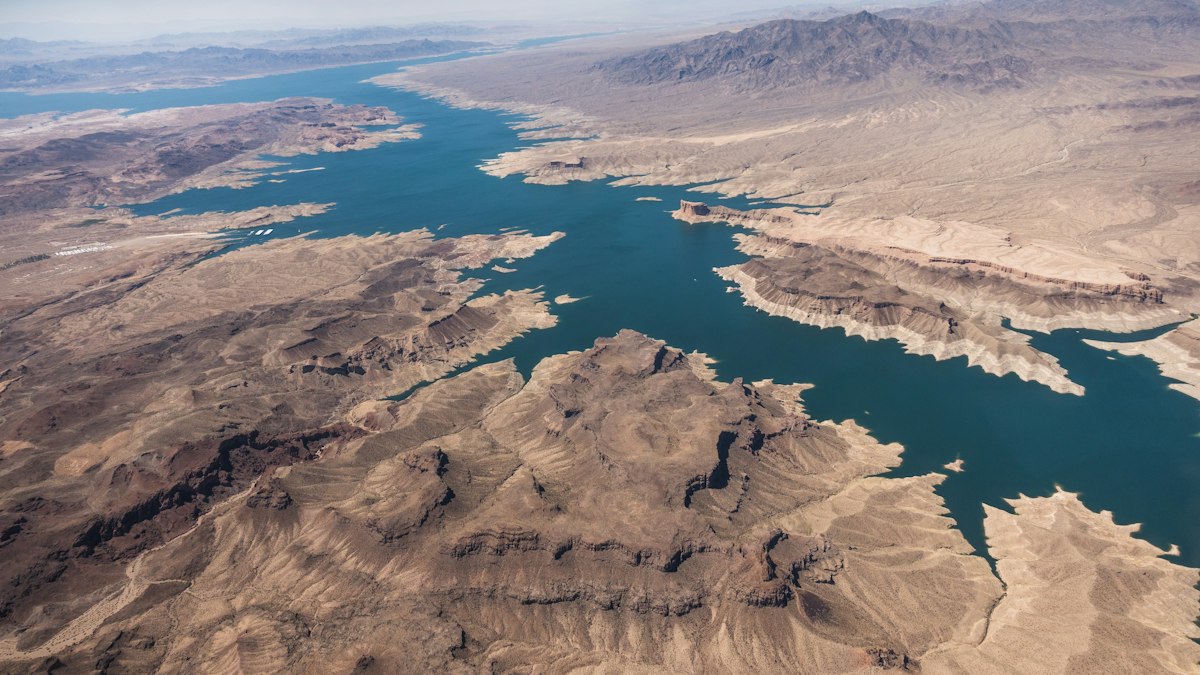
In short: Water demand is going up, supply is going down, and prices will eventually reflect that reality.
What Does This Mean for Products?
Let’s talk almonds. They’re delicious, but they’re also thirsty.
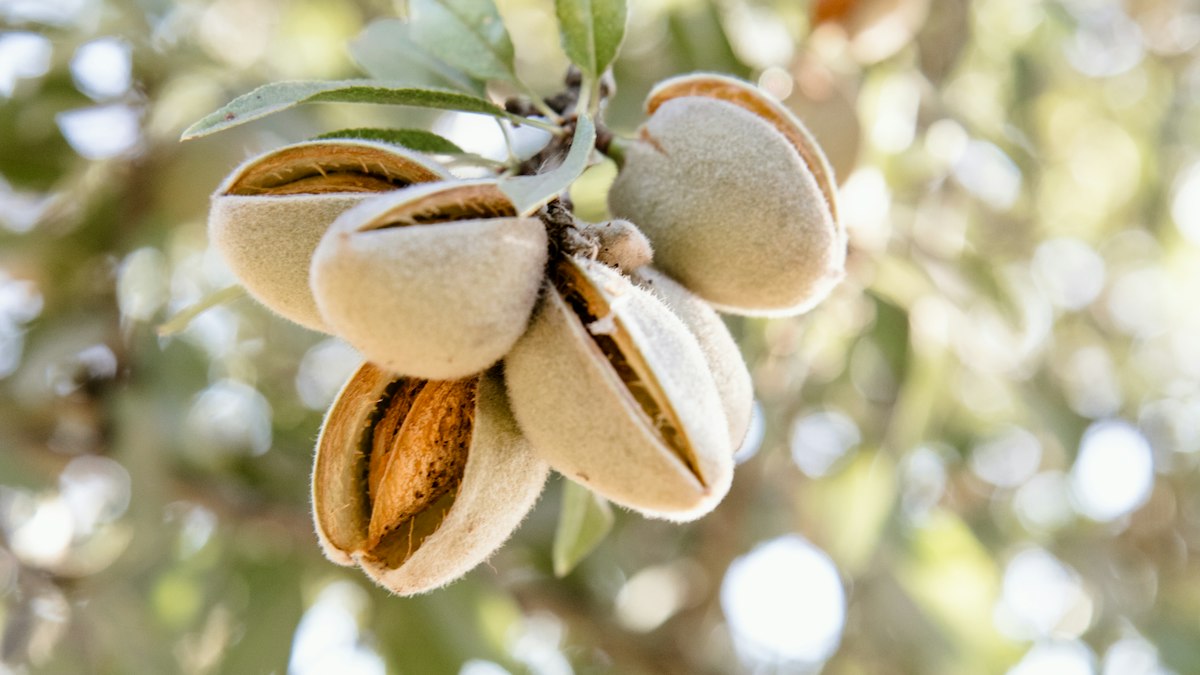
- One almond takes about 1.1 gallons of water to grow.
- A tomato takes about 0.2 gallons.
- A head of lettuce takes about 3 gallons total.
So almonds, almond milk, and almond butter could all become more expensive as water becomes scarce.
And almonds aren’t alone. Avocados, rice, and beef are also water-heavy crops.
As water costs rise, expect these foods to become premium-priced at the grocery store.
Where the Smart Money Might Flow
If you’re thinking like an investor (and if you’re reading Ducky Finance, you probably are), water scarcity could shape future markets:
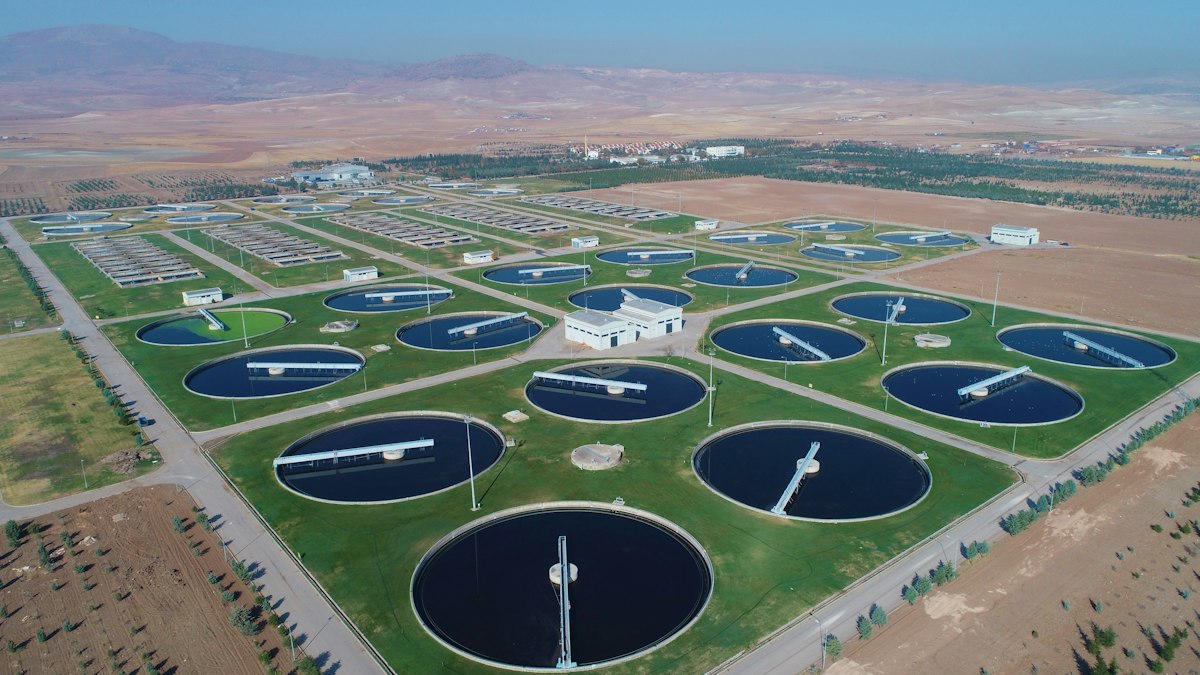
Water Technology Stocks – Companies that focus on water recycling, desalination, filtration, and conservation could see big gains. Examples: Xylem (XYL), Ecolab (ECL), American Water Works (AWK).
Agriculture Adaptation – Businesses creating drought-resistant crops or using vertical farming might benefit. Examples: AeroFarms, AppHarvest (APPH), though many are still early-stage and volatile.
Commodity Ripple Effects – Companies heavily dependent on high-water crops (like snack brands using almonds or beef producers) could face shrinking margins. These may be riskier long-term holds.
The Ducky Takeaway
You can’t control the rain, but you can control your investment strategy. As essential resources like water grow scarce, markets will adapt, and so should investors. Understanding how real-world issues like water scarcity impact supply chains, prices, and companies can make you a smarter investor.
Awareness = Opportunity
Want more insights like this?
Subscribe to the Ducky Finance newsletter for expert tips, beginner-friendly investing lessons, and fresh market perspectives you won’t find anywhere else. 📩